
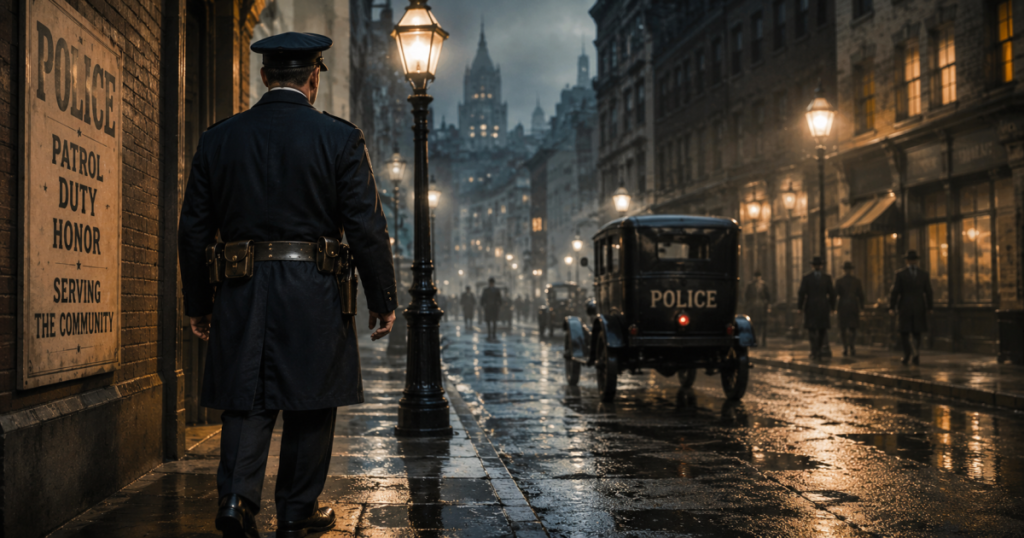
Language is full of interesting slang terms that survive long after their original context has faded. One such term is flatfoot. If you’ve ever heard someone refer to a police officer as a “flatfoot” or wondered about the historical meaning behind the word, you’re not alone.
Many people search for flatfoot meaning, what does flatfoot mean, and flatfoot meaning slang because the term appears in old movies, detective novels, and historical conversations. While it may sound unusual today, “flatfoot” once had a widely recognized meaning in American slang.
In this guide, we’ll explore the slang definition of flatfoot, its connection to law enforcement, where the term originated, and how it’s used in modern language.
Flatfoot Meaning: Quick Answer
Flatfoot is a slang term that traditionally refers to a police officer, especially a patrol officer who walks a beat. The term became popular in the United States during the late 19th and early 20th centuries.
Although it was commonly used in newspapers, detective stories, and everyday speech, the word is now considered somewhat old-fashioned and is mostly seen in historical contexts, classic films, and discussions about slang.
What Does Flatfoot Mean in Slang?
When used as slang, flatfoot means:
A police officer, particularly one who patrols on foot rather than in a vehicle.
The term often appeared in crime novels and detective fiction, where characters would refer to police officers as “flatfoots.”
Example Sentences
- “The flatfoot arrived at the crime scene before the suspects could escape.”
- “Old detective movies often portray flatfoots chasing criminals through city streets.”
- “Back in the day, neighborhood flatfoots knew nearly everyone on their patrol route.”
Today, most people would simply say “police officer” or “cop” instead of “flatfoot.”
Why Were Police Officers Called Flatfoots?
One of the most common questions people ask is: Why are police officers called flatfoots?
There are several theories regarding the nickname’s origin.
Theory 1: Long Hours of Walking
The most widely accepted explanation is that early police officers spent long hours walking their assigned beats. Constant walking could cause foot discomfort and flatten the arches of the feet over time, leading to the nickname “flatfoot.”
Theory 2: Heavy Police Footwear
Another theory suggests that police officers wore heavy, flat-soled boots. Because these shoes lacked modern arch support, officers were associated with a flat-footed appearance.
Theory 3: Distinct Walking Style
Some historians believe the term referred to the deliberate and steady walking style used by beat patrol officers. Their methodical gait became recognizable and contributed to the nickname.
While the exact origin remains debated, all explanations connect the term to the physical demands of foot patrol policing.
The History and Origin of the Term Flatfoot
Understanding the flatfoot meaning slang requires looking at its historical roots.
The term gained popularity in the United States during the late 1800s and early 1900s. During this period, police departments relied heavily on officers who patrolled neighborhoods on foot.
Unlike today’s officers, who often use patrol cars and advanced communication systems, early officers spent most of their shifts walking through city streets. Because of this, many slang terms emerged to describe them, with “flatfoot” becoming one of the most enduring.
By the early 20th century, newspapers, pulp magazines, and crime fiction had helped spread the term across America.
Was Flatfoot Originally an Insult?
Another common question is whether flatfoot was intended as an insult.
The answer depends on context.
In some situations, criminals and anti-police groups used the word mockingly. However, in many cases, it functioned simply as a nickname for police officers without strong negative intent.
Unlike certain modern derogatory terms, “flatfoot” was often used casually by journalists, authors, and ordinary citizens.
Today, the term is generally viewed as:
- Old-fashioned
- Informal
- Historical
- Mildly humorous
Most people do not consider it highly offensive, though it is rarely used in professional settings.
Flatfoot in Detective Stories and Popular Culture
The popularity of the word increased significantly through entertainment media.
Classic detective novels, radio programs, and crime films frequently used “flatfoot” when referring to police officers.
Common Examples
- Detective fiction from the early 1900s
- Noir crime movies
- Pulp magazines
- Newspaper crime reports
- Radio detective dramas
Writers often used the term to create authentic urban dialogue and reflect the slang of the era.
Because of these appearances, many people today encounter the word through older books and movies rather than everyday conversation.
Other Meanings of Flatfoot
While the slang definition is the most searched meaning, “flatfoot” can refer to several different things depending on context.
1. Medical Meaning
In medicine, flatfoot refers to a condition where the arch of the foot is lowered or absent.
People with flat feet may experience:
- Foot pain
- Ankle discomfort
- Changes in walking posture
- Increased fatigue during physical activity
This medical definition is entirely separate from the slang meaning.
2. Dance Style
Flatfooting is also a traditional dance style found in parts of the United States, particularly in Appalachian culture.
The dance involves rhythmic foot movements performed close to the ground.
3. General Nickname
In some historical contexts, “flatfoot” was used as a nickname for anyone considered clumsy, slow-moving, or heavy-footed.
However, this usage is much less common today.
Is Flatfoot Still Used Today?
The term survives, but its popularity has declined significantly.
Modern speakers are more likely to use terms such as:
- Police officer
- Officer
- Cop
- Law enforcement officer
You may still encounter “flatfoot” in:
- Historical documentaries
- Crime novels
- Old movies
- Slang dictionaries
- Discussions about language history
Because it sounds dated, using it in everyday conversation may seem unusual to younger audiences.
Flatfoot vs. Other Police Slang Terms
Throughout history, police officers have been known by various nicknames.
| Term | Meaning | Usage Today |
| Flatfoot | Police officer | Rare, historical |
| Cop | Police officer | Very common |
| Officer | Police officer | Formal and common |
| Lawman | Law enforcement officer | Mostly historical |
| Detective | Investigator | Common |
| Patrolman | Patrol officer | Less common than before |
Among these terms, “flatfoot” is one of the oldest and most historically distinctive.
Examples of Flatfoot in Sentences
Here are some examples that demonstrate modern understanding of the term:
- “The old crime novel featured a tough flatfoot investigating a mysterious disappearance.”
- “Movie fans still recognize flatfoot as a classic slang term for a police officer.”
- “Historians studying urban policing often encounter the word flatfoot in archival records.”
- “The detective laughed when someone jokingly called him a flatfoot.”
These examples show how the term is generally used today in historical or nostalgic contexts.
Why People Still Search for Flatfoot Meaning
Interest in the term remains strong because people encounter it in:
- Classic literature
- Historical documentaries
- Crime dramas
- Crossword puzzles
- Online discussions about slang
As a result, searches for what does flatfoot mean, flatfoot meaning, and flatfoot meaning slang continue to appear regularly.
People are often surprised to learn that the term has such a long connection to American law enforcement history.
Frequently Asked Questions
What does flatfoot mean?
Flatfoot is most commonly a slang term for a police officer, especially one who patrols on foot. It can also refer to a medical condition involving fallen foot arches.
What does flatfoot mean in slang?
In slang, flatfoot refers to a police officer or law enforcement officer. The term became popular in the United States during the late 19th and early 20th centuries.
Why were police officers called flatfoots?
Police officers were likely called flatfoots because they spent long hours walking their patrol routes, wore flat-soled shoes, or developed a distinctive walking style associated with foot patrol duties.
Is flatfoot an offensive term?
Generally, no. While it was occasionally used mockingly, most people view it as an old-fashioned nickname rather than a serious insult.
Is flatfoot still used today?
The term is much less common today but still appears in historical discussions, classic detective stories, and conversations about slang.
Does flatfoot only refer to police?
No. Flatfoot can also refer to a medical condition involving fallen arches and a traditional style of dance known as flatfooting.
Conclusion
The flatfoot meaning most people are searching for refers to a classic slang term for a police officer. The nickname emerged during an era when officers spent countless hours walking city streets, earning a reputation that became embedded in American slang and popular culture.
Although the term is largely historical today, understanding what does flatfoot mean provides an interesting glimpse into the evolution of language and law enforcement. Whether you encounter it in a detective novel, old movie, or slang discussion, flatfoot remains a fascinating example of how everyday occupations can inspire memorable nicknames that last for generations.